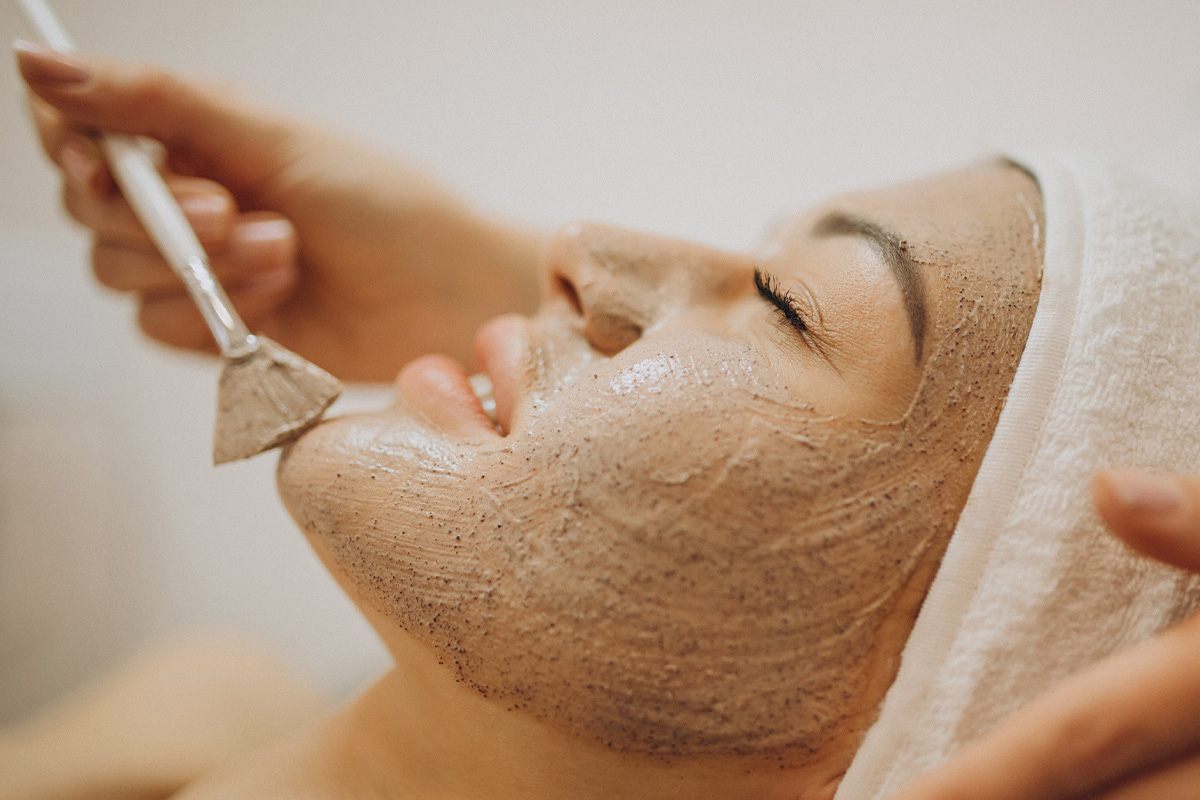
Facial exfoliation plays an important role in skincare. With regular use, it removes dead skin cells, helping to achieve a more even and refreshed complexion. When used properly, it helps keep the skin smooth and balanced.
Understanding how facial exfoliation works and how it fits into a skincare routine is essential for achieving the desired results.
Facial Exfoliation and All Its Benefits
In general, when exfoliation is used, whether on the face or other parts of the body, it helps refresh the skin and restore its optimal balance. The many benefits of facial exfoliation make it a truly essential step in maintaining healthy-looking skin.
Why is it essential?
- It removes dead skin cells from the surface layer of the skin;
- It deeply cleanses the skin;
- It helps reduce the appearance of redness, hyperpigmentation and dark spots;
- It helps prevent wrinkles and reduce the visibility of scars;
- It stimulates skin regeneration and microcirculation;
- Products applied after exfoliation penetrate the skin more effectively, making them more efficient.
Facial Exfoliation: How to Do It Properly
Exfoliation is usually the second step in a skincare routine, right after cleansing. Apply the product to your face, avoiding the eye area, and gently massage it into the skin using circular motions. After paying particular attention to the T-zone (forehead, nose and chin), rinse it off with lukewarm water. The exception is leave-on exfoliating serums, which do not need to be rinsed off. Afterwards, apply a face mask suited to your skin type or a moisturiser to lock in the desired results.
There are different types of exfoliation: physical, chemical and enzymatic. Physical exfoliation uses fine particles to gently remove dead skin cells. Chemical and enzymatic exfoliation work in a slightly different way. Using specific types of acids, such as AHAs, BHAs or PHAs, or natural enzymes, they gently remove dead skin cells and help the skin look fresher and more even.
Exfoliating Serums in the Spotlight
Whether you prefer an exfoliating serum or an exfoliating mask, choosing the right product can make your skincare routine more interesting and significantly more effective. Revox B77 JUST AHA 30% + BHA 4% Resurfacing Solution is a formula that combines powerful AHA and BHA to gently remove dead skin cells from the surface of the skin and deeply cleanse the pores. AHA, such as glycolic and lactic acid, work on the skin’s surface, while BHA penetrates deeper into the pores, helping the complexion appear more even and the skin feel softer.
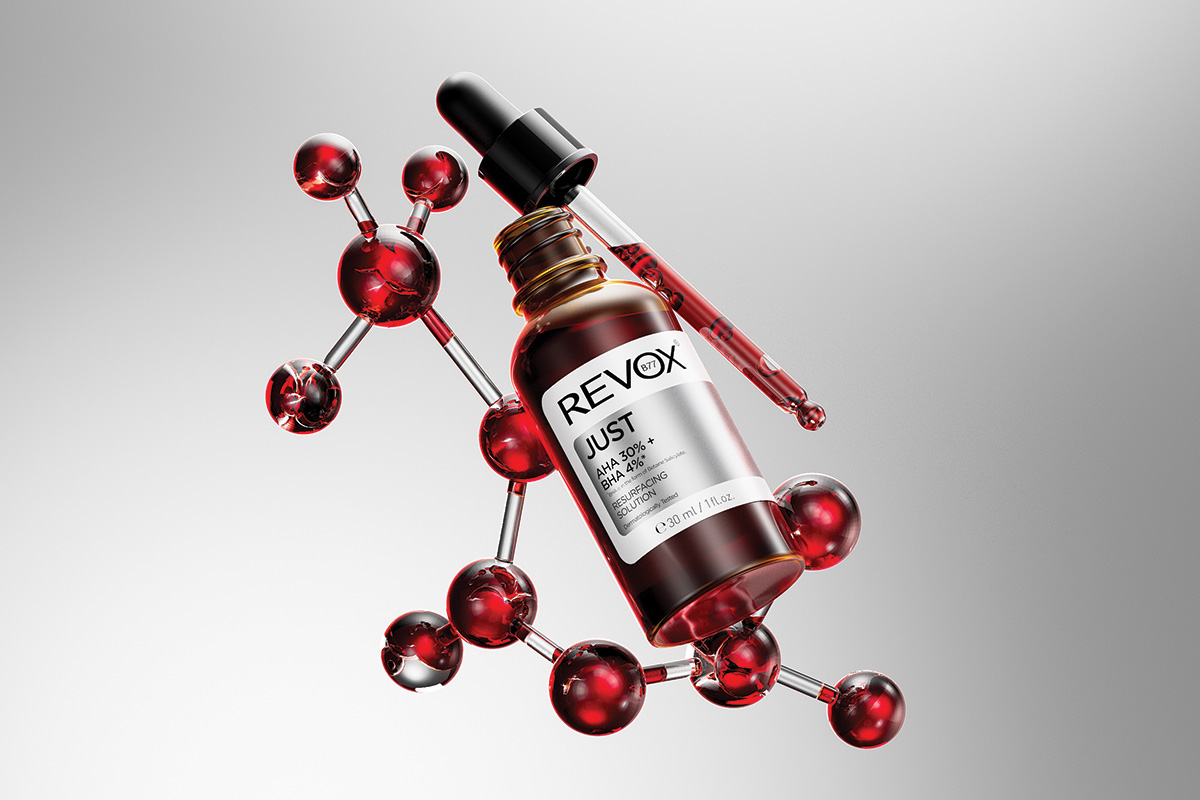
In addition to its exfoliating effect, the formula contains hyaluronic acid and panthenol, which help retain moisture and reduce the risk of irritation, leaving the skin hydrated and soft after treatment.
Face Masks with an Exfoliating Effect
In addition to traditional exfoliating products, facial skincare routines can also include masks that combine an exfoliating effect with additional skin benefits. They are a practical option when you want a visibly fresher complexion with minimal effort. Revuele Brightening face mask is a peel-off mask enriched with papaya enzymes and tranexamic acid. These ingredients support skin renewal and help promote a more radiant complexion. Papaya enzymes gently exfoliate the skin’s surface, while tranexamic acid helps reduce hyperpigmentation.
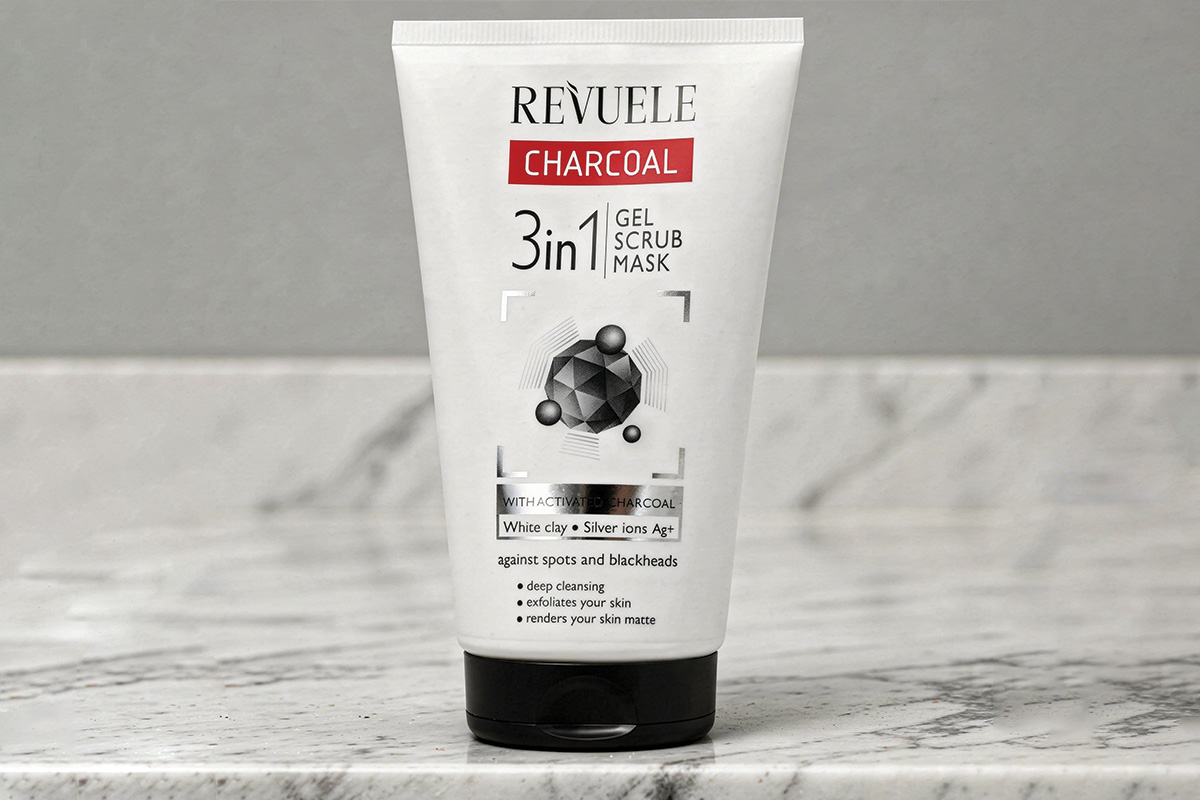
On the other hand, Revuele White Clay 3-in-1 scrub gel mask is a multifunctional product that works as a cleanser, exfoliator and mask in one. Active micro-particles and white clay gently remove dead skin cells and impurities, while also helping to regulate excess sebum and cleanse the pores.
Facial Exfoliation: How Often Should You Do It
Regular facial exfoliation is a skincare step we strongly recommend not skipping. Exfoliation helps keep the skin balanced, but it does not need to be done every day. If you have oily skin, two to three times a week is usually enough, while once a week is sufficient for dry skin. If your dry skin is also flaky, facial exfoliation is especially recommended. It helps speed up the removal of dead skin cells, leaving the skin smooth and even once again.
If you’re not sure how to choose the right exfoliator for your skin, consult a dermatologist or beautician. They’ll be able to recommend the option that suits your skin best and delivers the most effective results. It’s also important to take extra care when using exfoliating products if your skin is prone to allergies or chronic inflammation. In such cases, consulting a professional is the best course of action.
When Does Exfoliation Deliver the Best Results
Facial exfoliation delivers the best results when used as part of a complete and consistent skincare routine. Although it effectively removes dead skin cells from the surface of the skin, exfoliation alone is not enough for thorough cleansing and care. It serves as an additional step that enhances your basic routine. A combination of a cleanser, toner, serum and moisturiser provides a solid foundation, while exfoliation helps further refresh the skin and prepare it for the next steps. When used at the right intervals and alongside products suited to your skin’s needs, exfoliation offers multiple benefits.
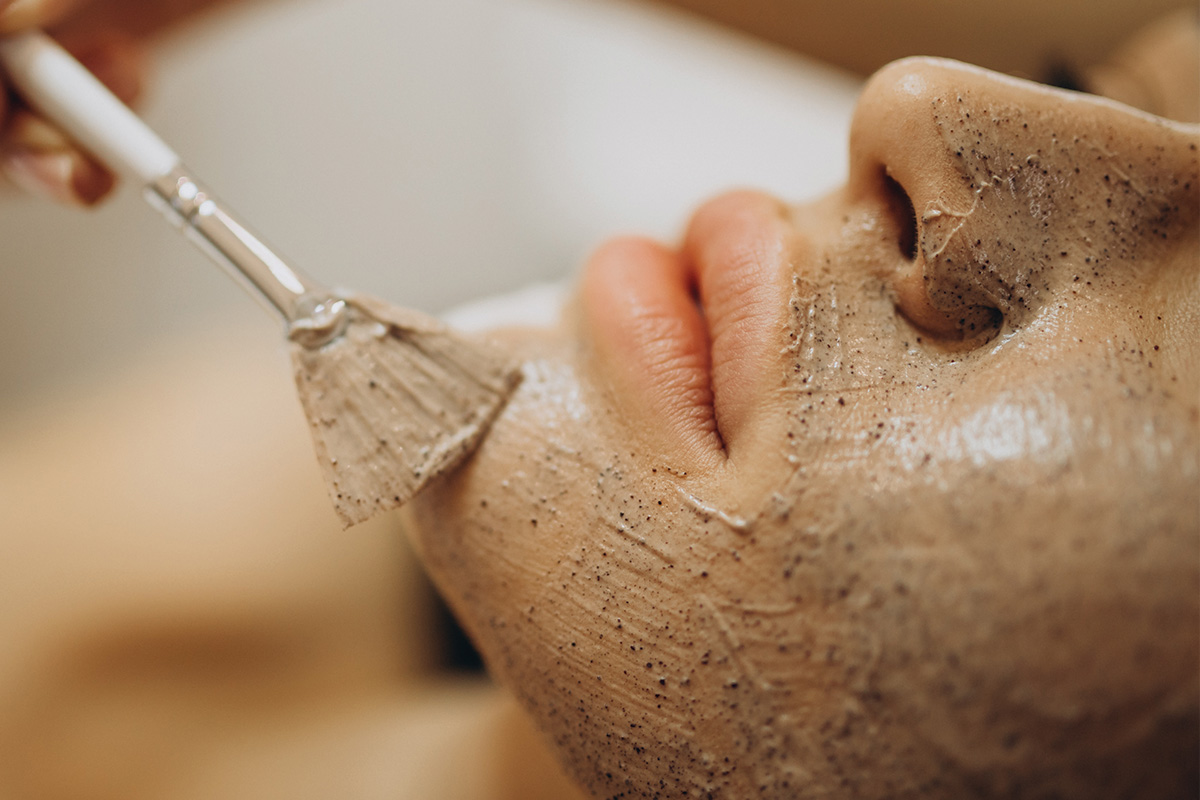
Exfoliation leaves the skin feeling fresh and clean, while also creating the ideal base for the products applied afterwards to work more effectively. Whether you prefer a serum or a mask, exfoliation can help the complexion look more even and the skin feel smoother and better cared for.
How do you choose your exfoliating products? Do you prefer serums, masks or a combination of both, and what is it that truly gives your skin that feeling of freshness and care?