For the past few years, one active ingredient has deservedly captured – and kept – the attention of the skincare world. Proven to be highly effective in skincare, retinol has worked hard to maintain its excellent reputation. Powerful, yet still approachable for beginners, it offers numerous benefits, introduces new terms into the beauty vocabulary and opens the door to healthy skin longevity habits.
So, what exactly is retinol? Why is it so popular? How does it improve the way skin cells function, and how and when should it be used correctly? We’ll reveal all very soon.
What Is Retinol
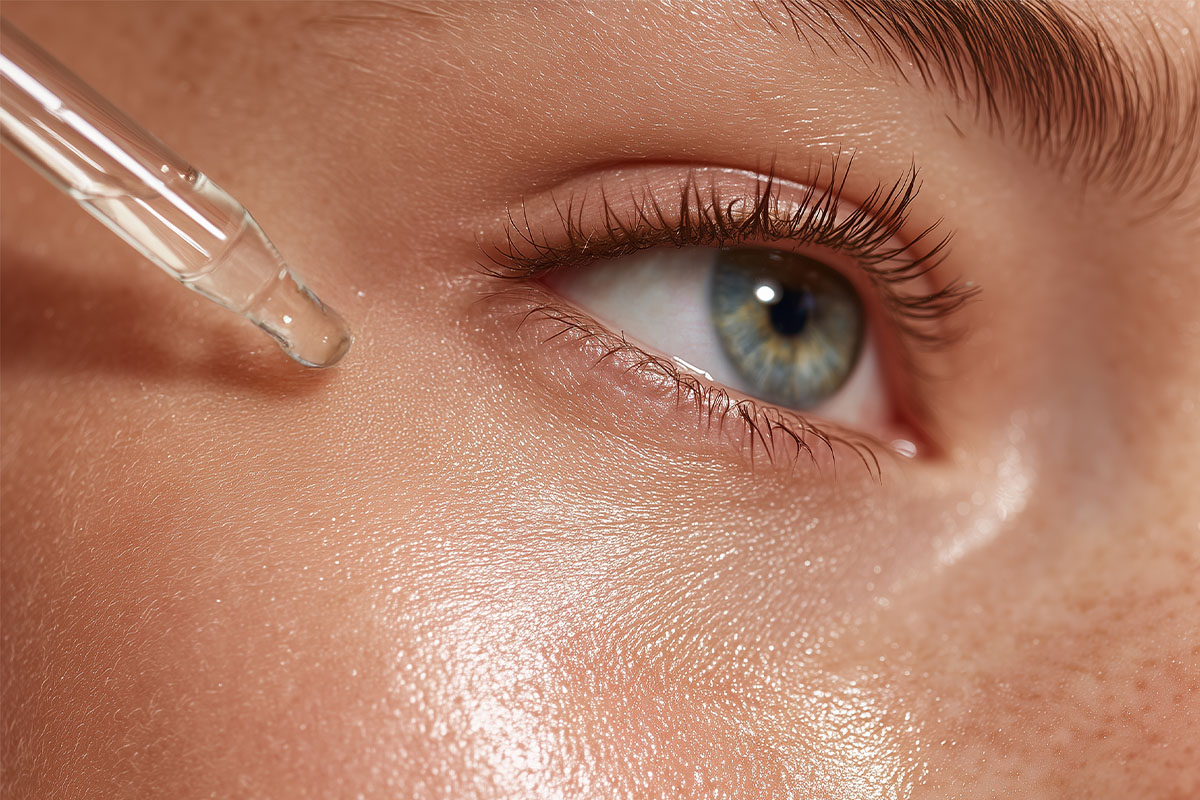
Retinol is a form of vitamin A and belongs to the popular group of retinoids. Since vitamin A is both well-known and essential to our body, the valued effectiveness of retinoids in targeting acne, clogged pores, fine lines and uneven skin tone is no coincidence. From gentler to more potent forms, from retinol to retinoic acid, each one plays its own role in the skin’s cellular processes – and we’ll try to explain those processes as simply as possible.
The skin cells that make up the epidermis follow a well-practised choreography. They form, mature, move towards the surface, shed and are replaced by new cells. This is how our skin renews itself. However, even after countless repetitions, this choreography sometimes loses its rhythm. Dead skin cells begin to build up, pores become clogged and acne and rough texture can appear. This is where vitamin A steps in, reminding the cells of the correct steps and helping them pick up the pace. The form of vitamin A whose “instructions” skin cells can clearly understand is retinoic acid, while retinol is the starting point that sets everything in motion.
What Is the Difference Between Retinol and Retinal
As the starting point, retinol is the gentlest form of retinoid. Skin cells use their enzymes to convert it into retinal, and then retinal into the most active form: retinoic acid. Because retinal is one step closer to retinoic acid, it’s stronger, faster-acting and more effective – but also more likely to cause irritation. Retinol, on the other hand, works more slowly and more gently, making it an excellent choice for beginners introducing retinoids into their skincare routine, as it carries a lower risk of irritation.
Still, although it’s milder than other forms, retinol is a truly powerful ingredient in its own right, which is why using it correctly is so important.
One Ingredient, Countless Benefits
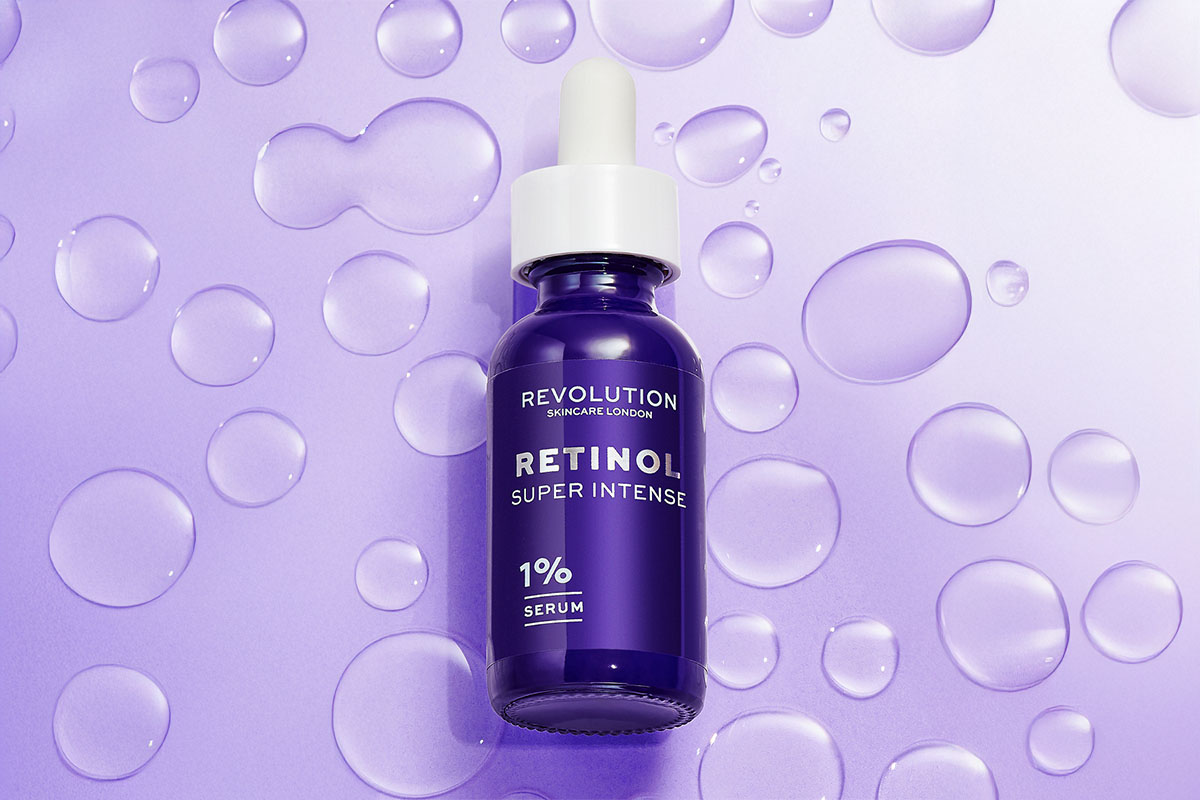
Retinol is a true multitasker among active ingredients. It helps with clogged pores and acne by speeding up cell turnover and preventing dead skin cells from lingering where they can cause congestion. In doing so, it also supports skin renewal, leaving the complexion smoother.
In addition, retinol stimulates collagen production, helping to reduce the appearance of fine lines and wrinkles. It also evens out the complexion by encouraging pigment to distribute more evenly and move towards the surface sooner, where it can be shed and replaced by new cells. However, precisely because skin cells may initially perceive retinol as a temporary “outsider”, the early stages of use can bring dryness, flaking, stinging, redness and a feeling of tightness. That’s why it’s very important to be careful and patient if you want to experience its effective results for yourself.
How and When to Use Retinol
If you’re new to this, don’t worry. We’ve prepared a little “Retinol for Beginners” course. And if you’re not, let’s use this as the perfect opportunity to refresh our knowledge.
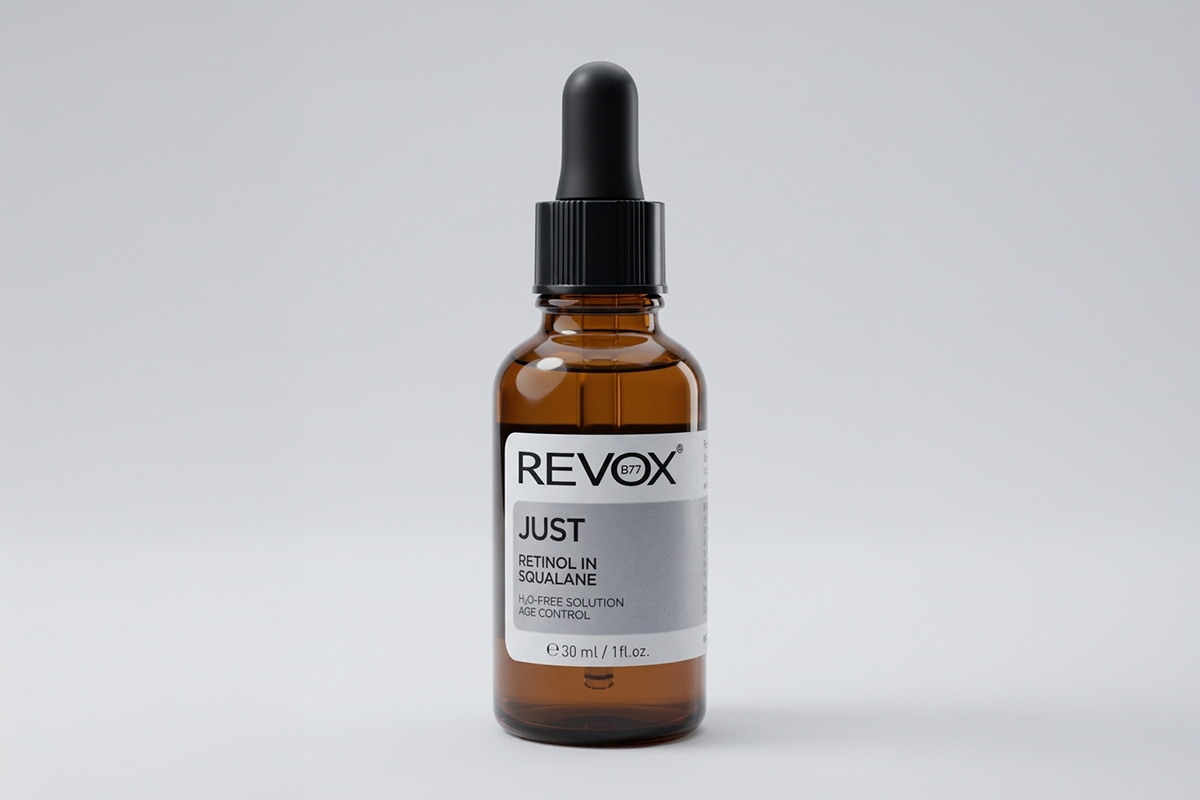
Since retinol can make the skin more sensitive and reactive to UV rays, it’s best to apply SPF during the day and use retinol in your night-time routine. After cleansing your face, wait until your skin is dry, then apply a small amount of retinol, about the size of a pea, and follow with a moisturiser. Our recommendation is the Revox B77 Night Face Serum that contains squalane alongside retinol – which is always a great combination. Since retinol can initially dry out the skin, while squalane helps make it feel softer, this duo complements each other beautifully. For additional skin barrier protection and much-needed hydration, the Orjena Face Cream is a great choice. Enriched with 11 types of hyaluronic acid, it acts as the ideal guardian of essential moisture, supporting the skin as it adjusts to retinol.
Bare in Mind
A little trick for minimising the risk of irritation – and making the introduction much gentler – is the increasingly popular “sandwich” method. First, apply a moisturiser and wait for it to absorb. Then apply retinol and finish with another layer of moisturiser. This way, the skin receives the hydration it needs and is introduced to retinol more cautiously. This is especially helpful when you decide to move on to higher concentrations of retinol or other retinoids.
Remember: with retinol, more really is less. Do not combine it with other strong active ingredients, such as AHA and BHA. Do not rush. Introduce it gradually – twice a week at first, then slowly move up to every other night. Most importantly, pay attention to your skin and listen to what it’s telling you, because it’s the best indicator. If your skin is naturally sensitive, reactive, or prone to eczema, it’s best to avoid retinol as a precaution.
Slowly but Surely
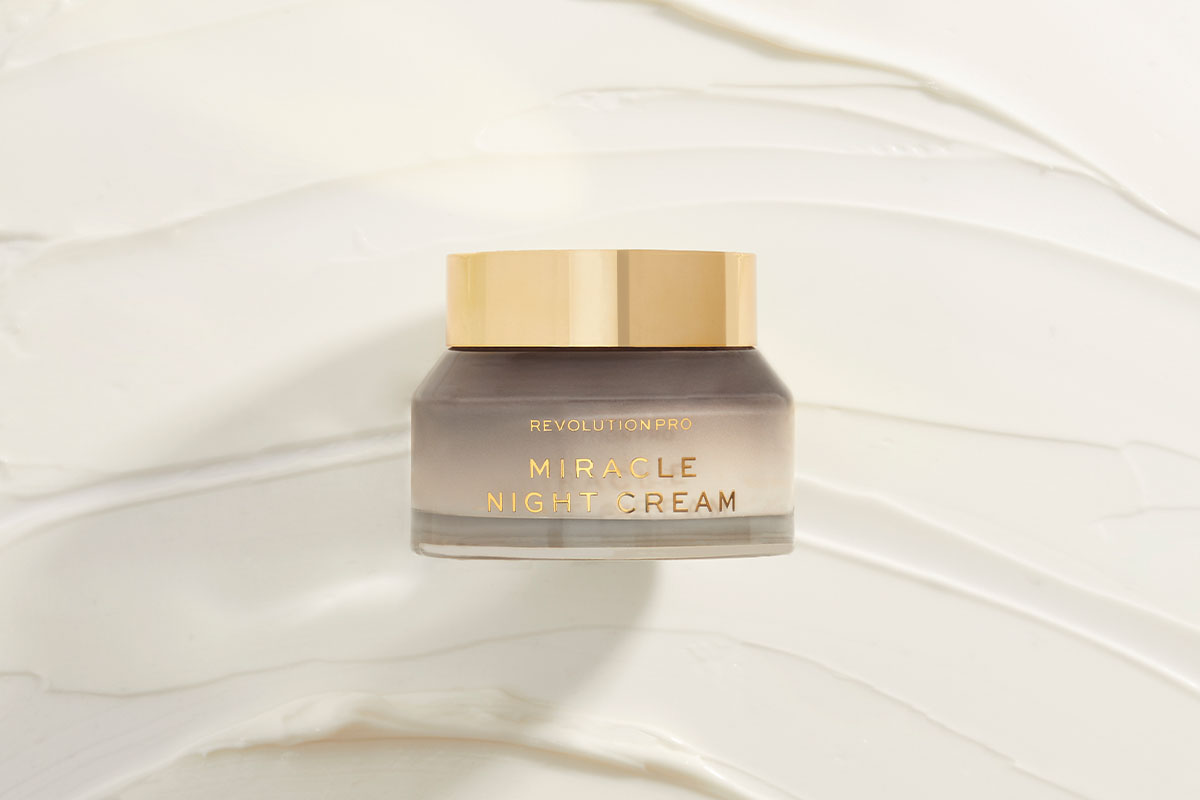
If you want to try retinol, but other active ingredients sometimes cause stinging and redness, even though your skin isn’t generally sensitive – there’s a solution. You can try retinol creams. Less concentrated than serums and enriched with hydrating ingredients, they offer a slower, more cautious option. Look for formulas with nourishing, refreshing ingredients, such as the Revolution Pro night face cream with retinol. Enriched with squalane, vitamin E and olive tree stem cells, it provides valuable support as the skin adjusts to retinol. As a bonus, it also helps create a beautiful, natural glow.
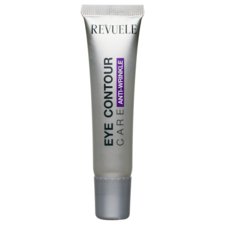
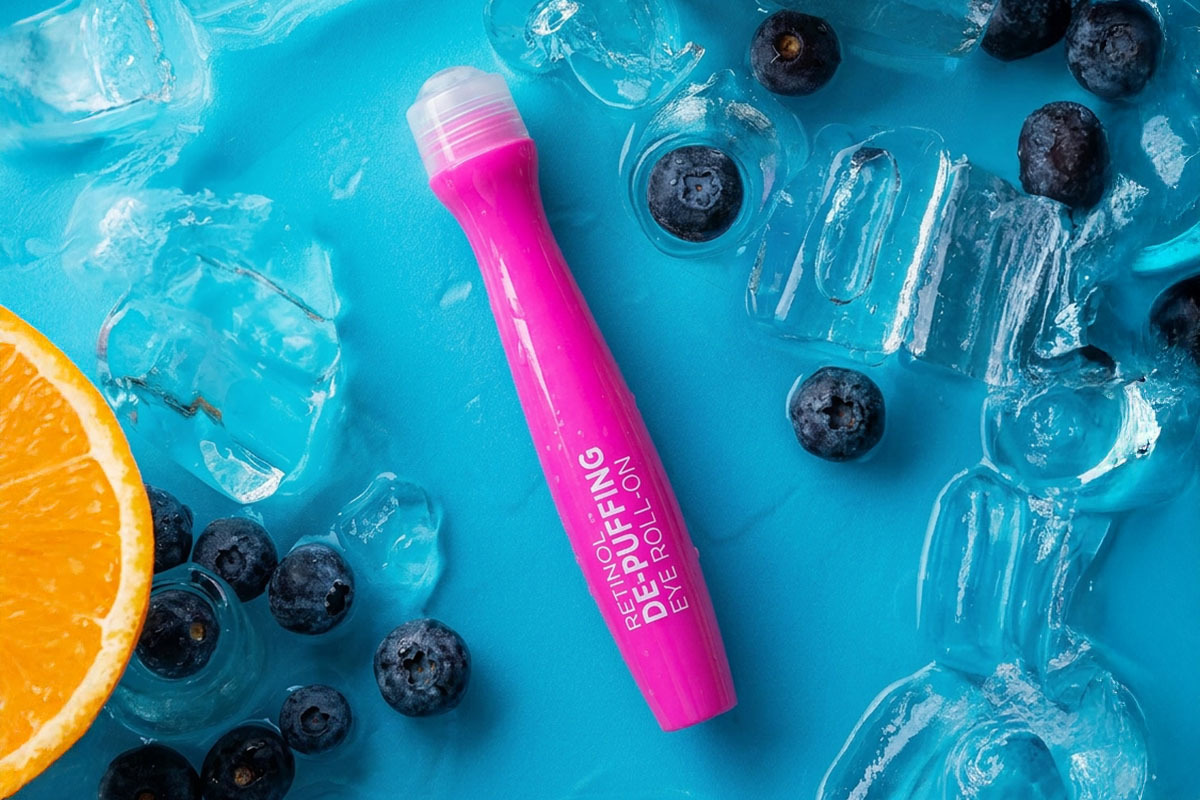
Speaking of a gentler approach, it’s also important to mention the eye area. It’s the most delicate part of the face. But, it’s often one of the first to show fine lines, wrinkles and signs of tiredness. Because the skin in this area is much more sensitive, choose retinol eye products. The formulas designed specifically for this region. One that stands out is the Biovene eye serum, which also contains cherry extract and features a practical roller applicator. It helps soften the appearance of dark spots, stimulate collagen production and reduce the visible effects of photoageing.
Retinol in the New Era
Retinol has proven itself time and time again as a powerful, effective ingredient. That’s why it long carried the title of the king of anti-ageing skincare. However, as the years go by, the importance of the skin longevity era is becoming increasingly clear. The era in which active ingredients are used to preserve the quality and health of the skin, rather than superficially “erase the signs of ageing”. A phrase we are more than happy to leave behind.
Since retinol is the starting point for more active retinoids that control cellular processes more effectively, it can be a good path towards preserving healthy skin from within. Slowly, gradually, without rushing. Together with listening to your body, your skin, and your inner needs, retinol – like other stronger active ingredients – is here, when used correctly, to improve, not to conceal. Do you agree?
-1.jpg)
-9.jpg)


.jpg)
.jpg)

7.jpg)
-1.jpg)
-6.jpg)