If you’ve noticed the term cica appearing more and more lately in various contexts, you’re not alone. Behind this short, modern name lies a plant known as gotu kola, which has a long history of use.
Today, it’s talked about more than ever, but not always under the same name, which can often be confusing. That’s why it’s worth clarifying exactly what cica is, where it comes from and why it’s being mentioned more and more.
What Exactly Is Cica
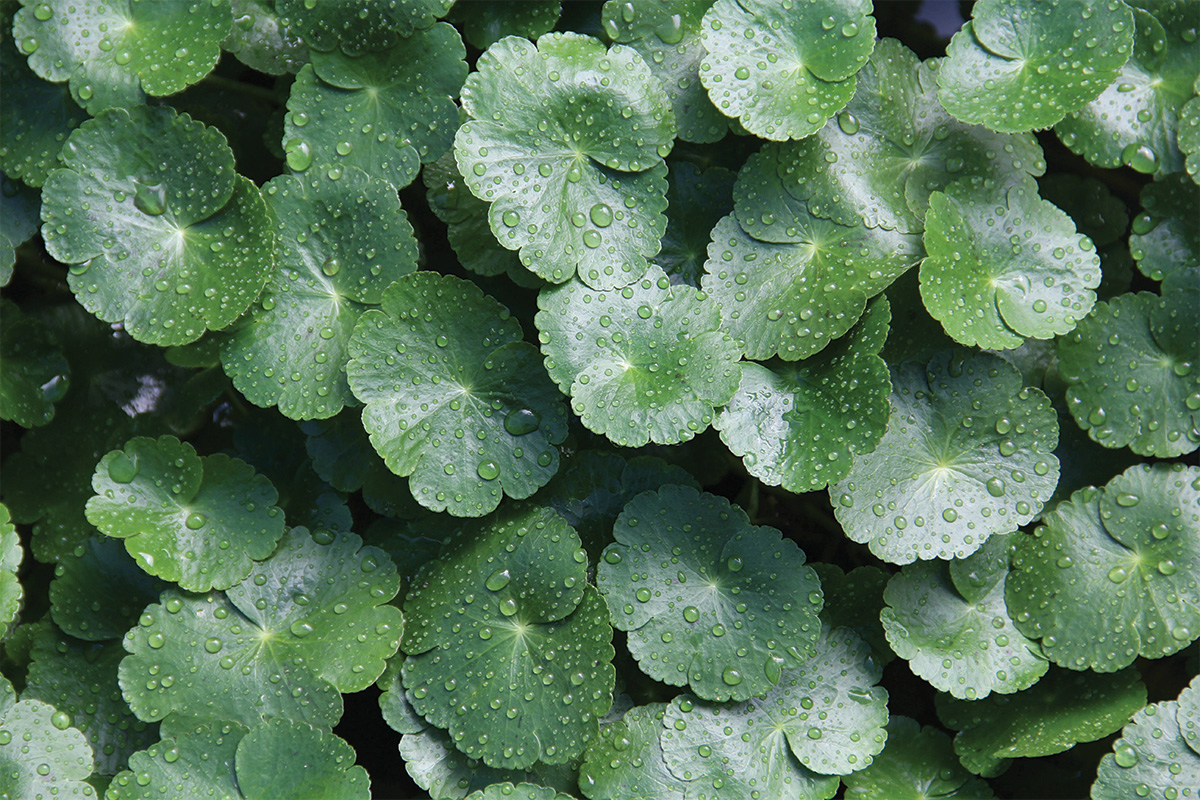
Cica is a term often used today as a shorthand for the plant Centella asiatica, also known as gotu kola or tiger grass. In the media and on social networks, the name cica has become a convenient way to refer to gotu kola without using its Latin name. For this reason, the two names are now often used interchangeably, even though gotu kola is the plant’s original name.
Gotu kola naturally grows in parts of Asia, Africa and Australia. Its leaves and stems contain minerals and vitamins, including vitamins C and A. Together, they contribute to the plant’s regenerative properties.
Thanks to this composition, gotu kola has been used for centuries in traditional medicine. It is especially valued for its ability to stimulate collagen production. Its capacity to improve the elasticity of skin and tissues is one of the reasons for its nickname the “Herb of Longevity”.
Why Gotu Kola Is Gaining More Attention Today
Although cica is not a newly discovered plant, the way it is discussed today is different from earlier times. This shift is due to a change in focus. Growing interest in the role of ingredients in various products has brought certain plants back into the spotlight.
This has created an opportunity to get to know ingredients that were previously familiar only to a limited audience. Cica stands out as an example of a plant that has moved from traditional use into a broader, modern discourse.
Cica in Modern Skincare
If you thought cica was just a trendy word on Instagram, we hope you now understand why it has become a favourite among skincare enthusiasts. Thanks to all its properties, gotu kola has become an essential ingredient in modern skincare. Especially in products designed for sensitive, tired or stressed skin.
Refreshment and Balance
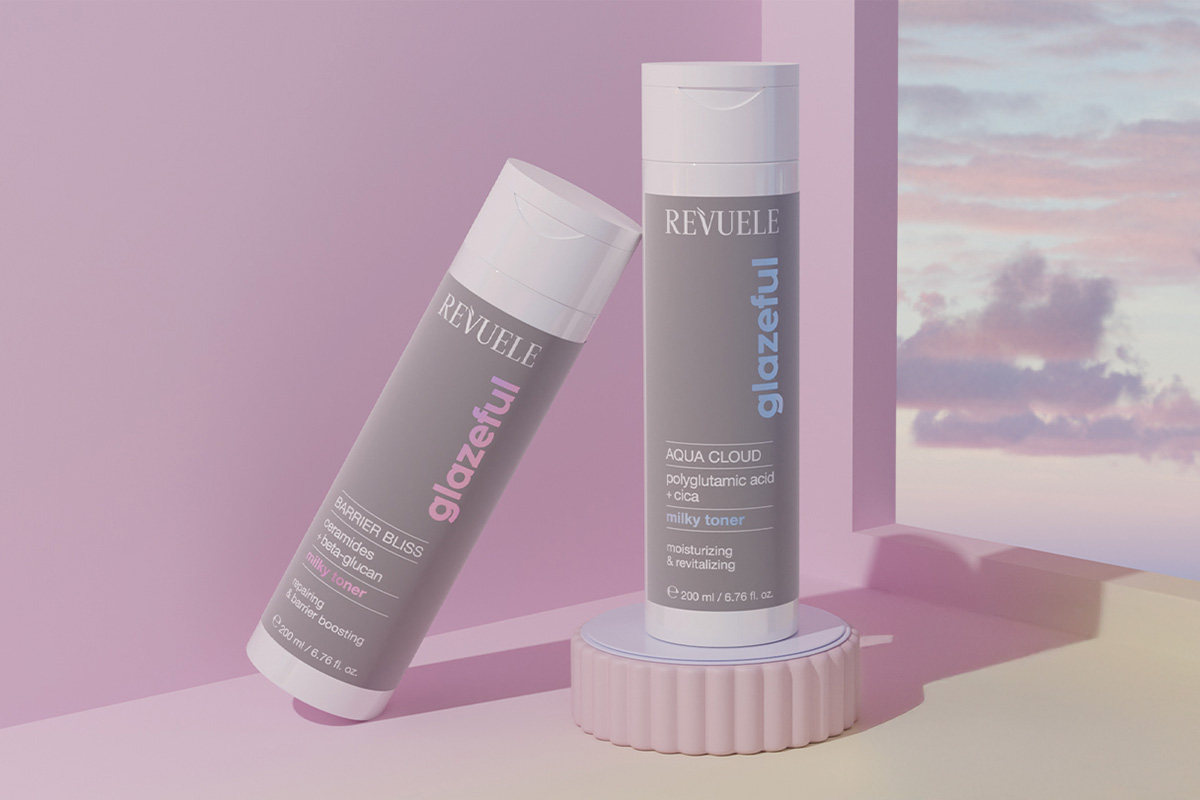
Cica is often used in lightweight, hydrating formulas designed to give the skin a sense of freshness and balance. Its extract can also be found in facial toners, which prepare the skin for the products that follow in a skincare routine.
This approach is also seen in the Revuele Glazeful Aqua Cloud Facial Toner, whose formula is enriched with gotu kola extract. The toner is designed to refresh and hydrate the skin while also promoting a calming, comfortable feeling. Its lightweight texture fits seamlessly into a daily routine, especially for those who prefer simple yet thoughtfully crafted skincare.
Cica and Gentle Hydration
Cica extract is also found in other products that target specific areas of the face. Biovene Roll-On Eye Serum, formulated with ceramides and cica extract, is designed specifically for the delicate skin around the eyes. The combination of ceramides and hyaluronic acid is further supported by the regenerative properties of cica, helping to maintain moisture and soothe this sensitive area.

A Moment of Renewal and Gentleness
In modern skincare, cica appears not only in classic formulations but also in products designed for targeted moments of skin recovery. Sheet masks are created to deliver intense hydration and a soothing sensation in a short time. Especially when the skin is tired or exposed to environmental stressors.
It is in these kinds of formulations that cica truly shines. It helps soothe the skin and support its natural balance. Sheet masks that combine gotu kola with hydrating and calming ingredients, like the Pack Age “Don’t Worry” Sheet Mask, focus on providing an immediate feeling of comfort and freshness without weighing the skin down.
Deep Cleansing and Skin Recovery
The scalp is just as exposed to environmental factors and the buildup of impurities as facial skin. Product residue, pollution and daily styling can disrupt its natural balance, which often affects the overall appearance of the hair.
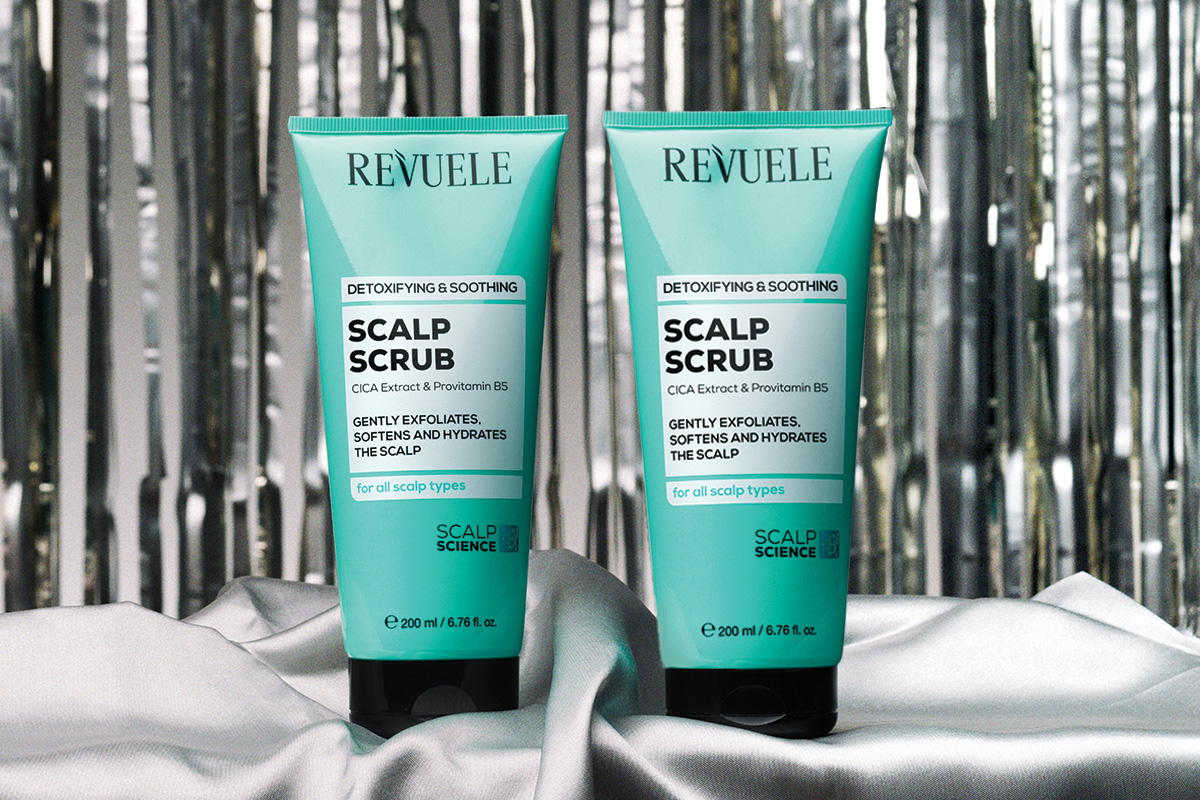
This is why scalp scrubs have become part of everyday hair care. Their purpose is to gently cleanse and refresh without being harsh. In these formulations, ingredients that help soothe the scalp and restore its balance are especially valued. Among them, gotu kola is increasingly included.
Revuele Detoxifying & Soothing Scalp Scrub combines gentle impurity removal with ingredients aimed at calming the scalp and promoting a comfortable feeling. Products like this help restore a sense of balance and can be a valuable addition to your daily hair care routine.
The Targeted Benefits of Cica
In addition to products that soothe and hydrate, there are also those designed for targeted care. Carbon Theory Pin‑Point Pimple Patches with salicylic acid are formulated to act precisely where the skin needs extra refreshment and balance. The patches combine salicylic acid, which gently clears impurities from pores, with a formula that delivers a feeling of freshness and comfort.
In a world where ingredients change rapidly and trends come and go, cica serves as a reminder that behind many “new” names lie plants with a long history. Perhaps that’s exactly why it is talked about more today. Not because it’s new, but because we are increasingly focused on understanding what we put on our skin and how we connect with our own skincare routines.
Cica, gotu kola, or Centella asiatica – whatever we call it, it raises an interesting question: how often do we truly take the time to get to know the ingredients we use every day, and do we choose products out of habit or understanding?


1%20new.jpg)


1 new.jpg)
1%20new.jpg)